Buying guide
How to Choose a Mattress (According to People Who Cut Them Open)
Sleeping position, honest firmness, trial length and durability — the four things that matter, in order.
Dana Whitfield · · 1 min read
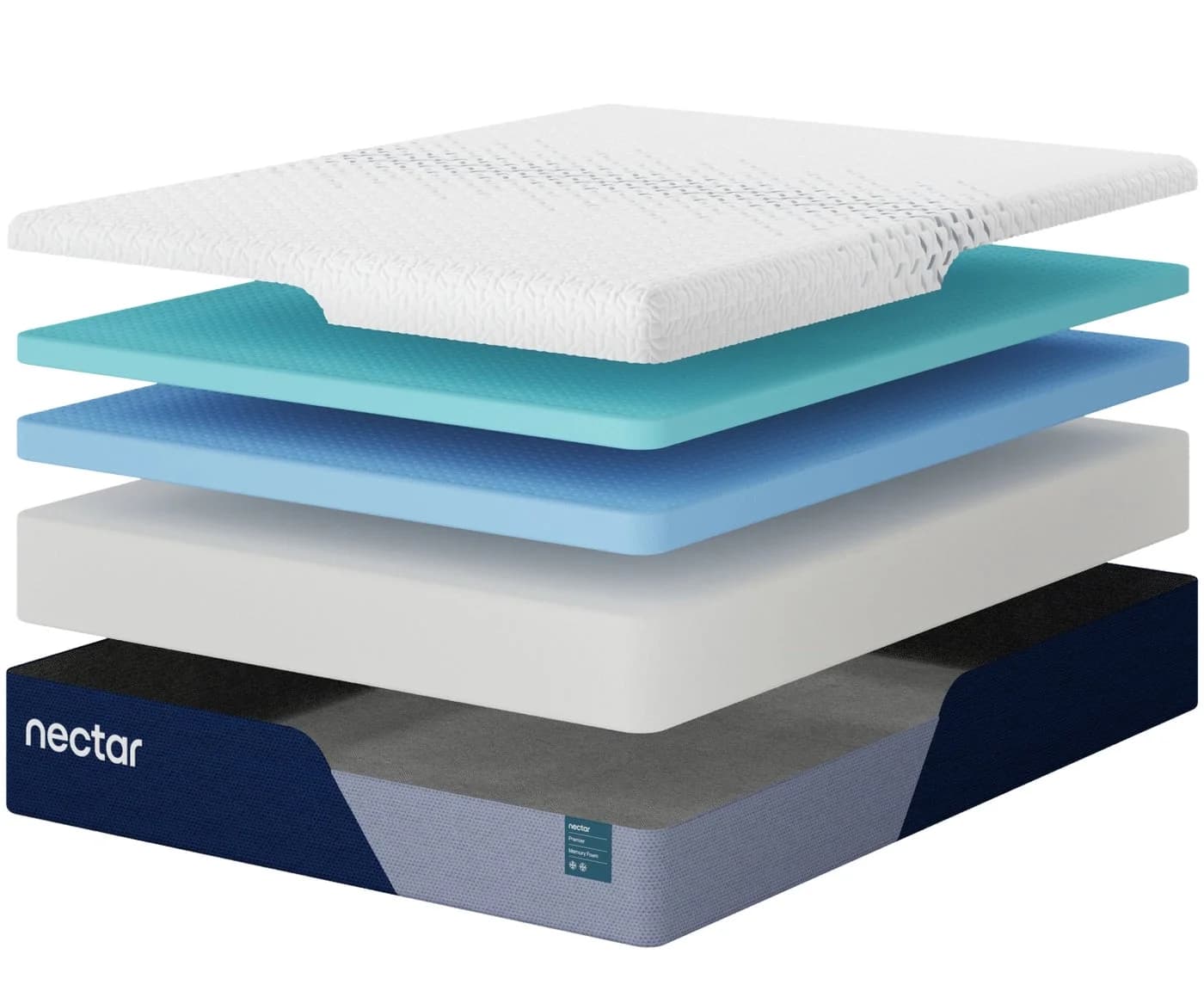
Most mattress advice is written by people selling mattresses. This guide is written by people who cut them open. Here is what actually matters, in the order it matters.
1. Start with how you sleep, not what the bed is made of
Side sleepers need shoulder and hip give, which means a softer top layer over firm support. Back and stomach sleepers need the opposite. Foam versus springs matters far less than this one fact, and it is the thing showrooms never ask.
2. Firmness numbers are marketing
There is no industry standard for a "6 out of 10". Two brands' mediums can differ more than one brand's soft and firm. We measure indentation load deflection on every bed we test so our firmness ratings are comparable across brands.
3. Durability is invisible in the showroom
Every bed feels fine on day one. What separates a good mattress from a bad one is year four. We run 30,000 compression cycles — roughly eight years of use — and measure height loss. The spread between the best and worst beds we have tested is more than 5%, which you will feel as a sag.
A mattress is the only purchase you will spend a third of your life on. Test it like one.
- Is memory foam or a hybrid better?
- Neither, universally. Foam isolates motion better and tends to be cheaper; hybrids run cooler and hold their edges. Pick by sleeping position and temperature first.
- How much should I spend?
- Our testing shows quality plateaus around $1,200 for a queen. Above that you are paying for materials that rarely change the durability result.